


Orlando Pineda Giraldo
A Colombian author who began his literary career writing poems in his youth. His notable poetic works include: Canción de juventud (1967), Percibiendo mi angustia (1968), Estación de una viajera (1969), Soledad (1969), Mi primera novia (1970), Peregrinos (1970), Deambulando en el crepúsculo (1970), El rumor de la llovizna (1972), Canción para una niña (1974) y Diario de una espera (1975).
In 1975, he graduated as an Industrial Engineer and suspended his literary activities to dedicate himself fully to food research, development, and production for several major companies in the sector.
After retiring, he returned to his literary career, this time focusing on the novel. Among his works in this genre are: El cuadro (2022), La rendija oculta (2021) y Los motivos de un parricida (2024).
W
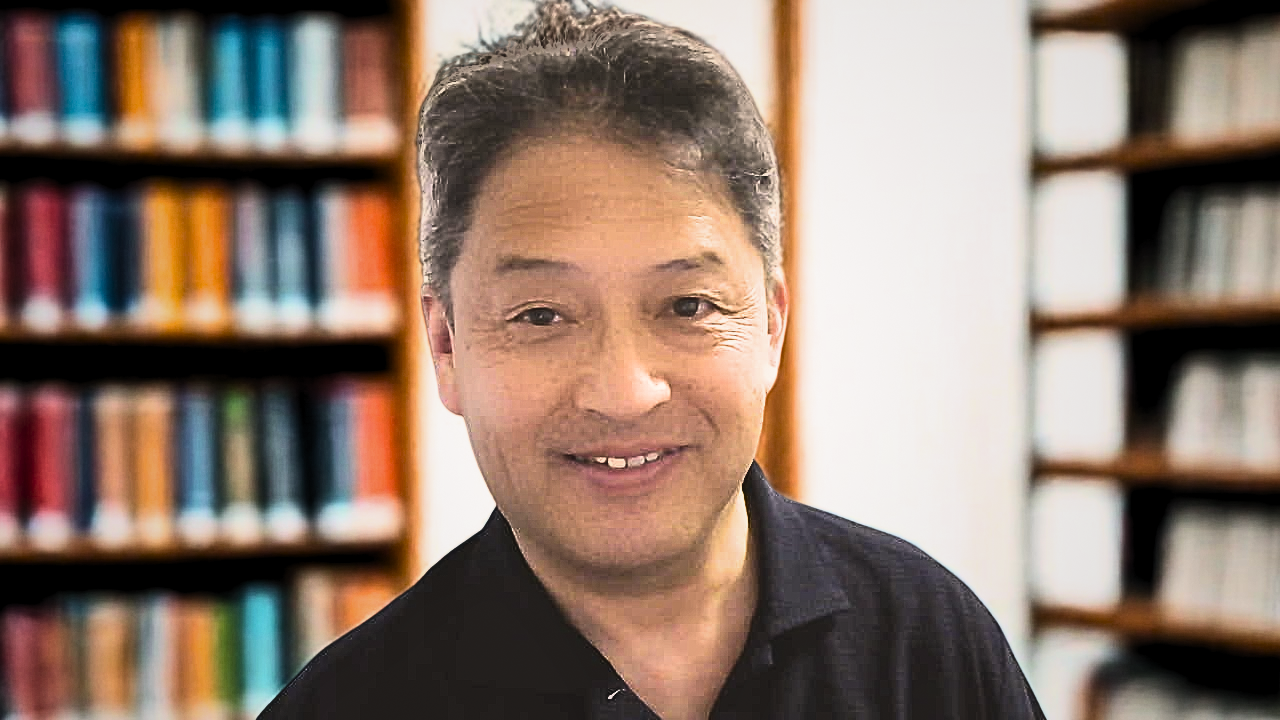
KATSUYA WATANABE is a Japanese novelist and educator whose work is rooted in his family’s own connection to the sacred. He is a descendant of the lineage of Koshiki Shrine (小志貴神社) in Fukushima Prefecture, a heritage that has shaped both his personal identity and his lifelong exploration of Japan’s ancient history and spiritual traditions. He has taught Japanese language and literature at the high school level for many years, a career that began in 1988.
For many years he taught at high schools throughout Fukushima Prefecture — the very region of his ancestral shrine — where he also experienced the Great East Japan Earthquake of 2011. This event, unfolding in the land of his own family’s sacred inheritance, left a lasting mark on his understanding of loss, continuity, and the bonds between people, land, and the divine.
Watanabe’s fiction draws directly on this heritage, bringing the world of the kami — the deities of Japanese tradition — into conversation with the concerns of the present day. His best-known work, The Seven Lost Magatama, follows two young protagonists on a quest for sacred jewels imbued with mystical power, while Words from Amenominakanushi offers readers an accessible path toward recognizing the divine spirit within themselves.
His international work includes representing Japan among eleven authors from around the world in The Poles, a collaborative novel blending science, conspiracy, and cross-cultural storytelling, as well as a personal essay for the South African literary anthology Man-Hood (Kwela Books), reflecting on fatherhood and endurance in the aftermath of the 2011 disaster. He is also active in Japanese-language education, contributing to teaching materials and examination content for Sanseido, one of Japan’s major educational publishers.
SHINTAKU: Messages from the Divine is his first work to be published for an international English-language readership.
Learn more about his work at kac-channel.com/11711.


M
JUAN IGNACIO MUNOZ
Poet and short story writer fluent in Spanish, French, and English. He was born in Pereira, Colombia, in 1979.
He lives between the forests and cities of Quebec, Canada, where he has worked in various professions—from janitor in an aircraft factory to comparative literature professor; assistant in a hospital kitchen; raspberry picker; and hotel receptionist—which has allowed him to explore life from different perspectives in his writing.
His literary career includes publications in Ibero-American science fiction online magazines such as Axxón (Argentina), Cosmocápsula (Colombia), and Minatura (Spain), and in print magazines primarily in French, his second language, such as Solaris (Quebec) and Galaxies Science-fiction (France).
La Pereza International Poetry Prize in 2013 (Miami) for "Otro canto mañanero" and Prix Grand Public in 2012 (Laval, Quebec) for the short story "Tout est là-bas"; in Spanish, "Todo está ahí" was selected for the Colombian fiction anthology "Cronometers for the End of Time" (Bogotá, Planeta Lector, 2017) and for "Hispanic-Canadian Art and Literature" (Ottawa, 2022).